SEOs Algorithmic Edge: Automation, Entities, And Intent
SEOs Algorithmic Edge
In today’s fast-evolving digital landscape, search engine optimization (SEO) is more critical than ever for businesses striving to enhance their online visibility and attract potential customers. Mastering advanced SEO techniques is essential for staying ahead of the competition. From understanding keyword trends to optimizing site speed and user experience, a holistic approach to SEO can significantly impact your website’s ranking and organic traffic. This guide will explore numerous advanced strategies and tools to elevate your SEO game and achieve sustainable growth.
Keyword Research and Analysis
Effective keyword research forms the bedrock of any successful SEO strategy. Moving beyond basic keyword identification, advanced techniques focus on intent, relevance, and competitive landscape to uncover high-potential keywords.
Keyword Trend Analysis
- Understanding Search Trends: Analyze how keyword popularity changes over time using tools like Google Trends. Identifying rising and declining trends helps you adapt your content strategy accordingly.
Example: Monitoring “electric vehicle charging stations” shows a significant upward trend, indicating growing interest and potential content opportunities.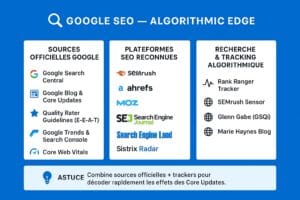
- Seasonal Keyword Forecasting: Predict seasonal fluctuations in keyword search volume to optimize content and marketing campaigns for peak times.
Example: “Christmas gifts for her” spikes annually in November and December, requiring timely content updates and promotion.
Keyword Clustering Automation
- Grouping Related Keywords: Automate the process of clustering keywords based on semantic similarity and user intent. This helps create targeted content that addresses multiple related search queries.
Tools like SEMrush, Ahrefs, and specialized AI keyword clustering tools streamline this process.
- Benefits of Clustering:
Improved site architecture
Enhanced topical relevance
Better user experience
Increased organic traffic
Branded vs. Non-Branded Keywords
- Analyzing Performance: Differentiate between branded keywords (containing your brand name) and non-branded keywords (generic terms) to assess brand awareness and market penetration.
Example: “Nike running shoes” (branded) vs. “best running shoes” (non-branded).
- Strategic Focus:
Branded keywords: Focus on brand reputation management and customer loyalty.
Non-branded keywords: Focus on attracting new customers and expanding market reach.
Keyword Intent Segmentation
- Understanding User Intent: Categorize keywords based on user intent (informational, navigational, transactional, commercial investigation) to create targeted content that meets user needs.
- Examples:
Informational: “What is SEO?”
Navigational: “Nike official website”
Transactional: “Buy iPhone 14”
Commercial Investigation: “Best SEO software 2024”
Evergreen Keyword Discovery
- Identifying Timeless Topics: Focus on evergreen keywords that maintain consistent search volume over time, ensuring long-term traffic and relevance.
Example: “How to bake a cake” is a classic evergreen keyword.
- Content Strategy: Create comprehensive, high-quality content that addresses these evergreen topics in detail.
Regularly update the content to maintain freshness and relevance.
Keyword Funnel Mapping
- Aligning Keywords with the Sales Funnel: Map keywords to different stages of the sales funnel (awareness, interest, decision, action) to create targeted content that guides users through the conversion process.
- Example:
Awareness: “What is digital marketing?”
Interest: “Benefits of SEO”
Decision: “Best SEO tools comparison”
Action: “Free SEO audit”
Negative Keyword Filtering
- Refining Ad Campaigns: Use negative keywords in PPC campaigns to exclude irrelevant search terms, improving campaign efficiency and ROI.
Example: If selling premium SEO services, exclude negative keywords like “free SEO tools” or “cheap SEO.”
Click Potential Analysis
- Assessing SERP Features: Analyze the presence of SERP features (featured snippets, knowledge panels, image carousels) to understand the click potential of different keywords.
Keywords with prominent SERP features may have lower organic click-through rates (CTR).
- Optimization Strategies: Optimize content to target featured snippets and other SERP features to increase visibility.
Micro-Niche Keyword Ideas
- Identifying Specialized Niches: Explore micro-niches within your industry to uncover highly targeted keywords with lower competition.
Example: Instead of “dog training,” focus on “dog training for anxious dogs in apartments.”
- Content Focus: Create specialized content that caters to the specific needs of the micro-niche audience.
Competitor Keyword Overlap
- Analyzing Competitor Strategies: Identify keywords that your competitors are ranking for but you are not, uncovering potential content and SEO opportunities.
Tools like SEMrush and Ahrefs provide competitor keyword analysis features.
Voice Search Keyword Mining
- Optimizing for Voice Queries: Identify long-tail keywords and question-based queries that are commonly used in voice searches.
Example: “What is the best Italian restaurant near me?”
- Content Adaptation: Create conversational content that answers these voice search queries directly.
Topical Keyword Hubs
- Creating Content Silos: Organize content around central topics (keyword hubs) with supporting articles (spokes) that link back to the hub page. This improves topical relevance and internal linking structure.
- Benefits:
Enhanced site architecture
Improved topical authority
Better user experience
Technical SEO and Site Performance
Technical SEO ensures that search engines can effectively crawl, index, and understand your website. Optimizing site performance is crucial for providing a positive user experience and improving search rankings.
Crawl Depth Optimization
- Ensuring Indexability: Optimize site structure to reduce crawl depth, making it easier for search engines to access and index all pages.
- Best Practices:
Use a flat site architecture.
Implement clear and concise navigation.
Use internal links strategically.
Pagination SEO Best Practices
- Handling Paginated Content: Implement proper pagination techniques to ensure that search engines can crawl and index all pages in a paginated series.
Use rel=”next” and rel=”prev” attributes.
Implement canonical tags to avoid duplicate content issues.
Internal Link Sculpting
- Distributing Link Equity: Strategically use internal links to distribute link equity (PageRank) throughout your website, boosting the ranking of important pages.
- Best Practices:
Link from high-authority pages to important pages.
Use relevant anchor text.
Avoid excessive internal linking.
Duplicate URL Resolution
- Identifying and Fixing Duplicate Content: Identify and resolve duplicate URL issues caused by URL parameters, trailing slashes, or other factors to avoid penalization by search engines.
Use canonical tags.
Implement 301 redirects.
Faceted Navigation SEO
- Optimizing Faceted Navigation: Optimize faceted navigation to prevent crawl budget waste and duplicate content issues.
Use robots.txt to disallow crawling of unnecessary facets.
Implement canonical tags for faceted pages.
JavaScript Rendering SEO
- Ensuring JavaScript Content is Indexed: Implement proper JavaScript rendering techniques to ensure that search engines can crawl and index JavaScript-rendered content.
Use server-side rendering (SSR) or dynamic rendering.
Infinite Scroll SEO Solutions
- Optimizing Infinite Scroll: Implement SEO-friendly infinite scroll techniques to ensure that search engines can crawl and index all content displayed through infinite scroll.
Implement a “load more” button.
Use proper URL structure for each content item.
URL Parameter Handling
- Managing URL Parameters: Properly handle URL parameters to avoid duplicate content issues and crawl budget waste.
Use the URL Parameters tool in Google Search Console.
Implement canonical tags.
HTTPS Mixed Content Fix
- Ensuring Secure Content Delivery: Fix mixed content issues (non-HTTPS resources loaded on HTTPS pages) to ensure secure content delivery and maintain user trust.
Update all resources to use HTTPS.
Crawl Trap Prevention
- Avoiding Crawl Traps: Prevent crawl traps (infinite loops or dead ends) that can waste crawl budget and negatively impact site indexing.
Regularly monitor crawl errors in Google Search Console.
Site Navigation UX SEO
- Optimizing Navigation for Users and Search Engines: Design a clear and intuitive site navigation structure that facilitates both user experience and search engine crawling.
Use a logical hierarchy.
Implement a clear and concise menu.
Content and On-Page Optimization
Creating high-quality, optimized content is essential for attracting organic traffic and improving search rankings. Effective on-page optimization ensures that your content is relevant and accessible to both users and search engines.
Content Hub Creation
- Building Authority with Topical Clusters: Create content hubs around core topics to establish authority and improve search rankings.
The content hub acts as a central resource page with links to related articles.
Anchor Link Structure
- Enhancing User Experience and SEO: Implement clear and descriptive anchor links within long-form content to improve user navigation and SEO.
Use meaningful anchor text.
Taxonomy Structure SEO
- Organizing Content for Relevance: Implement a well-defined taxonomy structure to organize content logically and improve topical relevance.
Use categories and tags effectively.
SEO Slug Optimization
- Creating SEO-Friendly URLs: Optimize URL slugs to include relevant keywords and improve readability.
Keep URLs short and concise.
Structured Data Validator
- Validating Schema Markup: Use a structured data validator to ensure that schema markup is implemented correctly and free of errors.
AMP Deprecation Strategy
- Transitioning from AMP: Develop a strategy for transitioning away from Accelerated Mobile Pages (AMP) as Google shifts its focus to mobile-first indexing and Core Web Vitals.
Semantic Enrichment
- Adding Context to Content: Use semantic enrichment techniques to add context and meaning to content, improving search engine understanding.
Use related entities and concepts.
NLP-Driven Content Optimization
- Leveraging Natural Language Processing: Utilize NLP tools to analyze and optimize content for natural language, improving relevance and user engagement.
Keyword Prominence Tactics
- Strategically Placing Keywords: Strategically place keywords in prominent locations within content (title tags, headings, introduction) to signal relevance to search engines.
Title Tag Length Best Practice
- Optimizing Title Tags: Optimize title tags to include relevant keywords while staying within the recommended length (around 60 characters) to ensure proper display in search results.
Content Hierarchy Planning
- Structuring Content for Readability and SEO: Plan content hierarchy effectively, using headings (H1, H2, H3) to structure content logically and improve readability.
Topic Clustering for Blogs
- Organizing Blog Content Strategically: Organize blog content into topic clusters to improve topical relevance and internal linking.
Content Gap Bridging
- Identifying and Filling Content Gaps: Identify gaps in content coverage by analyzing competitor content and user search queries, and create content to fill those gaps.
Entity Optimization in Content
- Using Entities to Enhance Relevance: Optimize content by incorporating relevant entities (people, places, organizations) to enhance semantic understanding.
Search Intent Refinement
- Aligning Content with User Intent: Refine content to align with user search intent (informational, navigational, transactional) to improve relevance and engagement.
FAQs Integration Strategy
- Adding FAQs for Enhanced User Experience: Integrate FAQs into content to answer common user questions and improve user experience.
Semantic HTML Usage
- Using HTML5 Semantic Elements: Use HTML5 semantic elements (e.g., `
`, `
Featured Snippet Formatting
- Optimizing for Featured Snippets: Format content to target featured snippets by providing concise answers to common questions in a clear and structured manner.
Reader Retention Optimization
- Enhancing User Engagement: Implement strategies to improve reader retention, such as using engaging visuals, breaking up text with headings, and adding interactive elements.
Local SEO Strategies
For businesses with a physical presence, local SEO is crucial for attracting customers in their local area. Effective local SEO strategies focus on optimizing online listings, acquiring local reviews, and creating location-specific content.
Hyperlocal Keyword Targeting
- Focusing on Specific Locations: Target hyperlocal keywords that include specific neighborhoods, landmarks, or areas within your city to attract local customers.
* Example: “Best coffee shop in downtown Seattle.”
Local Content Silos
- Creating Location-Specific Content: Create content silos around different neighborhoods or service areas to improve relevance for local search queries.
Neighborhood-Specific Landing Pages
- Targeting Specific Neighborhoods: Create dedicated landing pages for each neighborhood or service area, highlighting local offerings and testimonials.
GPS Coordinates in Schema
- Adding Accurate Location Data: Include GPS coordinates in schema markup to provide precise location information to search engines.
Service Area Map Embedding
- Displaying Service Areas: Embed a service area map on your website to visually represent the areas you serve.
Local Reviews Acquisition
- Encouraging Customer Reviews: Actively encourage customers to leave reviews on Google My Business, Yelp, and other local review platforms.
Local Influencer Collaborations
- Partnering with Local Influencers: Collaborate with local influencers to promote your business to their followers.
Geo-Tagged Image SEO
- Adding Location Data to Images: Geo-tag images with location data to improve relevance for local search queries.
Proximity Ranking Optimization
- Optimizing for Location-Based Searches: Optimize your website and listings to improve proximity ranking, ensuring that you appear in search results for users near your location.
Local Press Link Building
- Earning Local Media Coverage: Build links from local news outlets and media websites to improve your local SEO.
Advanced Link Building Techniques
Link building remains a crucial aspect of SEO, and advanced techniques focus on earning high-quality, authoritative backlinks that drive organic traffic and improve search rankings.
Authority Stacking Strategies
- Leveraging High-Authority Sites: Create profiles and content on high-authority websites (e.g., Medium, LinkedIn) to build brand visibility and earn backlinks.
Co-Citation Link Building
- Earning Links Through Mentions: Earn links from websites that mention your brand or related topics, even if they don’t directly link to you.
Co-Occurrence Signals
- Associating Your Brand with Relevant Topics: Improve co-occurrence signals by associating your brand with relevant topics and keywords in your content.
Curated List Backlinks
- Creating Valuable Lists: Create curated lists of resources or tools in your industry and promote them to earn backlinks from relevant websites.
Image Credit Link Building
- Earning Links from Image Usage: Offer high-quality images for use on other websites and require attribution in the form of a link back to your site.
Podcast Backlink Strategies
- Appearing on Podcasts: Appear as a guest on relevant podcasts to share your expertise and earn backlinks.
Social Proof Link Magnets
- Creating Social Proof-Driven Content: Create content that showcases social proof (e.g., customer testimonials, case studies) to attract backlinks from other websites.
Scholarship Backlink Campaigns
- Offering Scholarships: Offer scholarships to students in your industry and promote them to earn backlinks from university websites.
Skyscraper Technique Examples
- Improving Existing Content: Find popular content in your industry, create a better version, and reach out to websites that link to the original content to earn backlinks.
Monitoring and Analytics
Continuous monitoring and analysis are essential for tracking SEO performance, identifying areas for improvement, and making data-driven decisions.
Rank Volatility Scoring
- Tracking SERP Fluctuations: Monitor rank volatility using specialized tools to identify fluctuations in search engine rankings and understand potential causes.
Pixel Tracking SEO Implications
- Analyzing User Behavior: Use pixel tracking to analyze user behavior on your website and understand how it impacts SEO performance.
Content Lifespan Analytics
- Measuring Content Effectiveness: Track the performance of your content over time to understand its lifespan and identify opportunities for updates or repurposing.
Impression Share by Device
- Analyzing Device-Specific Performance: Monitor impression share by device (desktop, mobile, tablet) to understand how your website performs on different devices.
AI SERP Volatility Trackers
- Leveraging AI for SERP Monitoring: Utilize AI-powered tools to track SERP volatility and identify emerging trends and opportunities.
Conclusion
Implementing these advanced SEO strategies and staying updated with the latest trends is crucial for maintaining a competitive edge in the digital landscape. By focusing on keyword research, technical SEO, content optimization, local SEO, link building, and performance monitoring, businesses can achieve sustainable growth and enhance their online visibility. Continuous learning and adaptation are key to mastering the ever-evolving world of SEO and driving long-term success.
🧭 1. Officielle sources from Google
Ces liens sont considérés comme les plus fiables car ils viennent directement de Google :
-
📚 Google Search Central – Documentation officielle
→ Guide complet sur l’indexation, le crawl, les bonnes pratiques techniques. -
📝 Google Search Central Blog
→ Annonces officielles sur les mises à jour d’algorithmes, Core Updates, Indexing API, etc. -
🧠 Google Quality Rater Guidelines (PDF)
→ Révèle comment les évaluateurs humains jugent la qualité des pages (E-E-A-T). -
🌐 Google Trends
→ Pour l’analyse de tendances de recherche et la détection d’opportunités de contenu. -
🛠 Google Search Console Help
→ Documentation détaillée sur les problèmes techniques, paramètres URL, indexation, Core Web Vitals. -
🧭 Google Core Web Vitals
→ Normes officielles pour les performances et l’expérience utilisateur.